 admin
adminThe global workforce has undergone a seismic shift in recent years, moving away from rigid office structures toward more fluid, remote, and hybrid arrangements. This transition, however, is not without its hurdles. Managing a team that is geographically dispersed requires a level of coordination and precision that manual processes simply cannot provide. This is where Artificial Intelligence enters the picture. By integrating advanced AI-driven tools like HR Software, companies can bridge the gap between traditional management and the needs of a modern, mobile workforce. With the right technology from Timelabs, flexibility becomes a strategic advantage rather than an administrative burden.
The Infrastructure of Flexibility
For a flexible work model to succeed, the underlying infrastructure must be robust. Companies can no longer rely on manual spreadsheets to track a workforce that is scattered across various time zones and home offices. This is where advanced HR Software plays a pivotal role. AI-driven systems within the platform can now predict staffing needs and suggest optimal schedules that balance business requirements with employee preferences.
When a company integrates Timelabs into its operations, it moves away from reactive management. AI algorithms analyze historical data to identify peak performance periods, allowing managers to offer flexible hours that align with when employees are most effective. This data-driven approach removes the guesswork from management and builds a culture based on output rather than mere physical presence.
Navigating Complex Compliance and Payments
One of the biggest hurdles to flexible work, especially in a diverse market like the Indian subcontinent, is the complexity of regional regulations. For businesses operating across multiple states, managing various tax brackets, provident fund contributions, and regional labor laws is a massive undertaking. Utilizing a dedicated Payroll Software In India becomes essential when employees are working from different regions with varying professional tax rules.
AI simplifies this by automatically updating tax engines and ensuring that every paycheck is compliant with the latest government mandates. Timelabs ensures that even if an employee changes their work location, the Payroll Software In India adjusts the calculations in real-time. This automation prevents costly legal errors and ensures that employees are paid accurately, regardless of their flexible arrangements. Without such intelligence, the administrative burden of a remote workforce would likely overwhelm most departments.
Connectivity through Mobile Solutions
Flexibility is inherently tied to mobility. An employee working from a satellite office or a home setup needs the same level of access to corporate resources as someone sitting in the main headquarters. The rise of the HRMS Mobile Application has bridged this gap, serving as a digital tether that keeps the workforce connected and informed.
Through the Timelabs interface, workers can manage their professional lives entirely from their smartphones. An AI-powered HRMS Mobile Application does more than just show a dashboard; it acts as a virtual assistant. It can remind employees of upcoming deadlines, suggest breaks based on work patterns, and allow for instant leave applications. This level of connectivity ensures that “flexible” does not mean “disconnected,” keeping the company culture alive even in a virtual environment.
Enhancing Performance and Engagement
In a flexible work model, traditional “line of sight” management is often impossible. You cannot see what your team is doing every minute of the day. AI helps shift the focus to goal-oriented performance. By using Timelabs tools, managers can set clear KPIs and use AI to track progress in real-time without micromanaging.
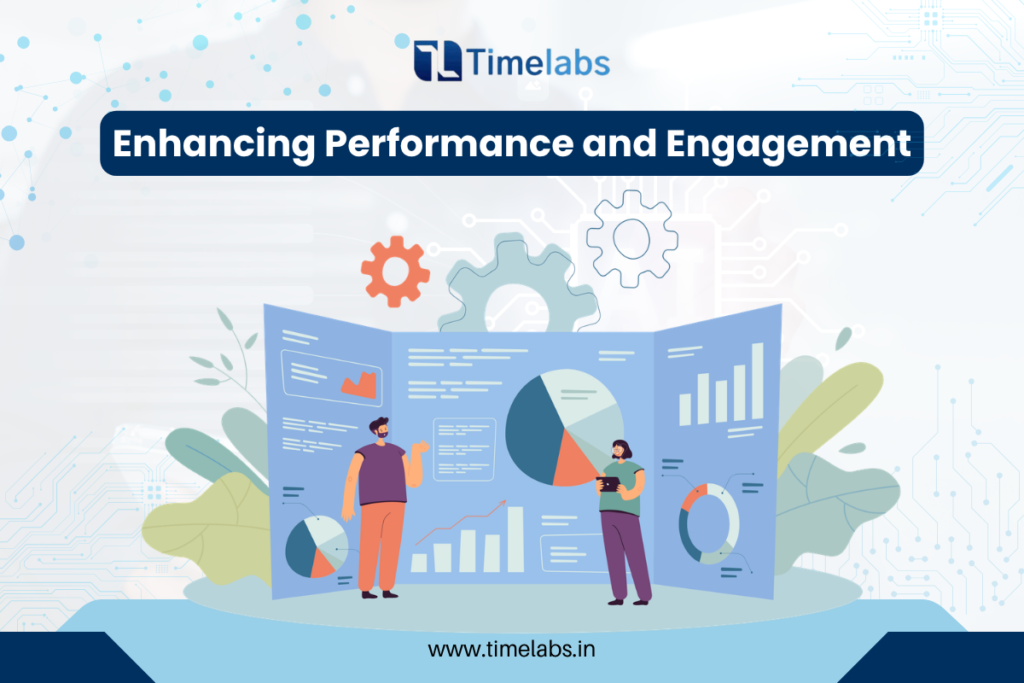
Modern HR Software also provides sentiment analysis and engagement tracking. If an AI detects a dip in an employee’s digital interaction or a change in communication frequency, it can flag this to a manager as a potential burnout risk. This allows for proactive intervention and support. In this way, AI acts as an empathetic bridge, helping leaders maintain a pulse on their team’s well-being without needing to be in the same physical room.
Streamlining the Modern Employee Lifecycle
From the moment a candidate applies to the day they transition to a new role, the digital experience should be seamless. Self-service add-ons allow employees to update their own personal information, download tax forms, and enroll in benefits without constant back-and-forth emails.
When these self-service portals are linked to a Payroll Software In India, the efficiency gains are doubled. Employees get instant answers to common queries regarding tax changes or deduction summaries through AI chatbots. Timelabs ensures that these interactions are fast and accurate, reducing the administrative burden on the internal team by a significant margin. This level of autonomy is highly valued by employees who prefer the independence offered by flexible work models.
The Future of the Digital Workplace
As we look toward the future, the synergy between AI and flexible work will only deepen. We are moving toward a workforce where roles are more fluid and tasks are distributed based on real-time skill availability. The data gathered by your HRMS Mobile Application will eventually help AI suggest internal career paths and upskilling opportunities tailored specifically to each individual’s strengths.
Investing in Timelabs means investing in a system that grows with your business. Whether it is adding new modules for performance coaching or integrating with third-party tools, the modular nature of modern platforms ensures you are never stuck with obsolete technology. Flexibility is the ultimate goal, and AI-enhanced services are the most efficient path to getting there.
Must Read: How Technology and Global Shifts Are Transforming Modern Hiring
Frequently Asked Questions
Q1. How does AI help in maintaining work-life balance?
Ans: AI tools within Timelabs can monitor working hours and digital activity. If the system notices an employee is consistently logging in at odd hours, it can send wellness prompts or alert managers to discuss workload distribution, effectively preventing burnout.
Q2. Is it safe to process salary via a cloud-based Payroll Software In India?
Ans: Yes, reputable providers use banking-grade encryption and secure data centers. These systems are often more secure than local servers because they are constantly patched against the latest cybersecurity threats and comply with local data residency laws.
Q3. Can an HRMS Mobile Application track location without invading privacy?
Ans: Most professional applications use “geofencing” rather than constant tracking. This means the app only verifies the user’s location at the moment they clock in or out from a remote site, respecting the employee’s privacy during non-working hours.
Q4. How does AI handle the diversity of labor laws?
Ans: A robust Payroll Software In India is updated regularly with the latest statutory changes. AI algorithms automatically apply the correct professional tax, LWF, and minimum wage rules based on the employee’s specific registered work location.
Q5. Does using AI replace the human element in HR?
Ans: Not at all. AI handles the repetitive, data-heavy tasks like compliance and scheduling. This actually frees up human HR professionals to focus on more important things, such as employee relations, strategy, and building a strong company culture.