 admin
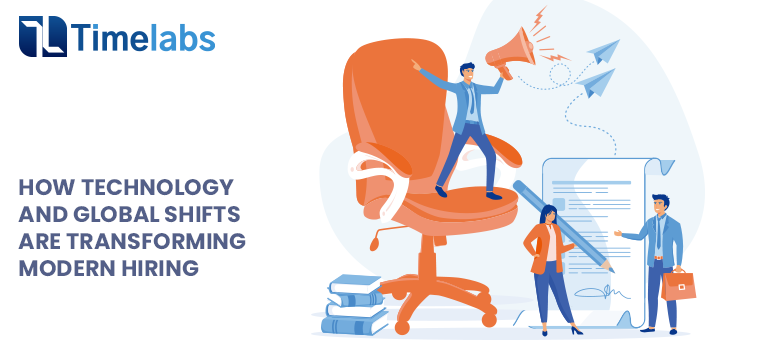
adminHiring has changed more in the last five years than in the previous fifty. If you ask any HR leader today what their biggest headache is, they will likely tell you it is the speed of the market. The days of posting a job in a newspaper and waiting for the mail are long gone. Today, we are dealing with a hyper-connected global workforce where candidates can apply for a job on another continent with a single click.
This shift brings massive opportunities but also significant chaos. I have seen countless organizations struggle to keep up because they are trying to run a modern engine on outdated fuel. The reality is that technology is no longer just a support function. It is the driver. To navigate this new terrain, we need to understand the tools and strategies that are reshaping our industry.
In this guide, we will look at how to modernize your approach. We will explore the specific software that makes a difference and how partners like Timelabs are helping businesses bridge the gap between potential and performance.
The Reality of the “Now” Economy
The first thing we need to acknowledge is the shift in candidate expectations. Candidates today treat job hunting like online shopping. They want speed, transparency, and a seamless mobile experience. If your application process takes forty minutes and requires them to re-upload their resume three times, you have already lost the best talent.
To fix this, we have to look at our infrastructure. This is where Recruitment Management Software enters the conversation. It is not just about tracking applicants anymore. It is about creating a marketing funnel for talent. These platforms allow you to automate communication, schedule interviews without the email ping pong, and keep candidates warm even if you are not ready to hire them immediately.
Breaking Down the Silos
One of the biggest mistakes I see companies make is treating hiring as a standalone event. They hire someone, and then that person’s data sits in a vacuum, completely disconnected from payroll or performance reviews. This creates a nightmare for admin teams who have to manually re enter data.
The solution lies in integration. A robust Core HR Software acts as the backbone of your organization. When you hire someone, their data should flow naturally from the recruitment phase directly into their employee file. This single source of truth ensures that errors are minimized and that you have a holistic view of your workforce from day one.
The Freedom of the Cloud
We cannot talk about modern hiring without talking about remote work. The talent pool is global now. You might be based in New York, but your next best developer might be in Bangalore or Jaipur. Managing this distributed workforce requires tools that are not tied to a physical office server.
This is why the adoption of Cloud Based HR Software has skyrocketed. These systems allow your HR team and your hiring managers to access critical data from anywhere in the world. Whether you are approving an offer letter from a coffee shop or reviewing resumes on a train, the cloud gives you the agility to move at the speed of the market.
Practical Steps to Modernize Your Hiring
If you are looking to upgrade your strategy, do not just buy tools blindly. You need a plan. Here are some practical pointers on how to approach this transformation:
- Audit Your Current Process: Map out every step a candidate takes. Identify where they drop off.
- Identify Bottlenecks: Is it the resume screening? The interview scheduling? The offer approval?
- Prioritize Candidate Experience: Test your own application process. If it frustrates you, it definitely frustrates candidates.
- Look for Integration: Ensure your new tools can talk to your existing systems.
Leveraging Automation for Quality
There is a misconception that automation creates a robotic experience. In my experience, it is actually the opposite. When you automate the boring stuff, you free up your recruiters to be human.
By using advanced Recruitment Management Software, you can set up automated triggers. For example, when a candidate applies, they get an instant, personalized confirmation. If they are rejected, they get a polite, timely notification rather than being ghosted. This level of responsiveness builds your employer brand and ensures that even rejected candidates leave with a positive impression of your company.
The Security Aspect
As we digitize more of our processes, we accumulate more data. Passports, tax IDs, and home addresses, HR holds the keys to the kingdom when it comes to personal data. In an era of increasing cyber threats, relying on spreadsheets or unlocked filing cabinets is a liability.
Security is a primary reason organizations are moving to Cloud Based HR Software. Top-tier providers invest millions in security protocols that a single company could never afford on its own. They offer encryption, multi-factor authentication, and regular backups, ensuring that your candidate and employee data remains safe from prying eyes.
Managing the Employee Lifecycle
Hiring is just the start. Once the candidate signs the offer, the real work begins. Onboarding is often where the excitement of a new job dies a slow death by paperwork.
A comprehensive Core HR Software solves this by digitizing the onboarding experience. You can assign tasks, distribute digital handbooks, and collect e-signatures before the employee even walks in the door on their first day. This means their first day can be spent meeting the team and learning the culture, rather than filling out tax forms in a dark room.
Data Driven Decisions
We are past the point where “gut feeling” is a valid hiring strategy. We need cold, hard data.
- Which job boards give us the highest retention rates?
- What is our average time to hire?
- Where are we losing candidates in the funnel?
Modern tools provide these analytics. When you use Recruitment Management Software, you get a dashboard that answers these questions. You can see exactly where your budget is going and what kind of return on investment you are getting from your recruitment agencies or job ads.
Scalability and Growth
A system that works for fifty people will break when you hit five hundred. I have seen businesses stall because their internal systems could not handle a sudden period of growth. You need technology that grows with you.
This is the beauty of Cloud Based HR Software. It is elastic. You can add users, modules, and storage as you need them. You do not need to buy new servers or install new hardware. You simply upgrade your subscription. This flexibility is crucial for businesses that operate in volatile markets where headcount can fluctuate.
The Ecosystem Approach
Finally, think about the ecosystem. You do not want five different logins for five different tools. You want a unified experience.
This is where Timelabs stands out. They understand that HR is an ecosystem. Their approach is not just about selling a tool; it is about providing a platform where different functions communicate. By choosing a partner that offers a suite of connected tools, you reduce friction for your HR team and your employees.
Furthermore, a unified Core HR Software allows for better reporting. You can cross reference hiring data with performance data. For example, you can see if the candidates hired through a specific referral program perform better than those hired through LinkedIn. This insight is gold for strategic planning.
Key Takeaways for HR Leaders
To wrap this up, here are the critical things you need to remember as you navigate these shifts:
- Speed Wins: The faster you move, the better talent you secure.
- Mobile is Mandatory: If your process is not mobile friendly, you are invisible to half the market.
- Data is King: Use analytics to justify your budget and refine your strategy.
- Integration is Key: disconnected tools lead to frustrated teams.
The transformation of hiring is not a future event. It is happening right now. By embracing these changes and equipping your team with the right technology, you position your organization not just to survive, but to thrive in the global talent market.
Must Read: Genuine Work-Life Balance Tips That Will Help Reduce Stress
Frequently Asked Questions
Q1. Why should we move away from spreadsheets for hiring?
Ans: Spreadsheets are prone to human error, lack security, and cannot be accessed simultaneously by multiple people without version control issues. They also offer no automation or analytics capabilities.
Q2. Is cloud software safe for sensitive candidate data?
Ans: Yes, usually safer than on premise servers. Reputable cloud providers use enterprise-grade encryption and adhere to strict global compliance standards like GDPR, which protects you from data breaches and legal penalties.
Q3. How does software improve the candidate experience?
Ans: It speeds up the process, allows for mobile applications, and ensures consistent communication so candidates are never left wondering about their status.
Q4. What is the difference between recruitment software and core HR software?
Ans: Recruitment software specifically handles the “hiring” phase (sourcing, tracking, interviewing), while core HR software handles the “employment” phase (database, payroll, benefits, onboarding) after they are hired.
Q5. How long does it take to see ROI from these tools?
Ans: Most organizations see a return on investment within the first six months through reduced agency spend, lower administrative time costs, and faster time to hire.