 admin
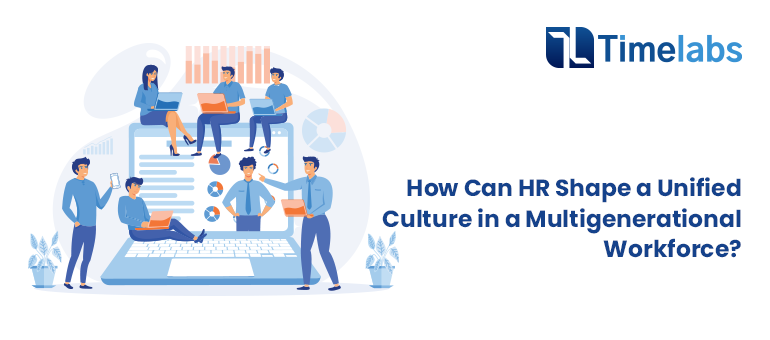
adminIn today’s evolving corporate landscape, the modern workplace consists of a multigenerational workforce, bringing together Baby Boomers, Gen X, Millennials, and Gen Z under one roof. Each generation has distinct values, communication styles, and expectations. For HR leaders, the challenge lies in fostering a unified organizational culture that accommodates these differences while driving collaboration and productivity.
The key to achieving this balance lies in adopting smart digital solutions such as a Performance Management System, data-driven decision-making tools like Advanced HR Analytics, and employee-focused HR strategies that promote inclusion and engagement.
Understanding the Multigenerational Workforce
A multigenerational workforce offers immense potential for creativity and innovation. However, it also introduces complexity in terms of managing expectations, communication styles, and work preferences.
Here’s a quick overview of what each generation typically values:
- Baby Boomers: Stability, loyalty, and structured work environments.
- Generation X: Work-life balance, autonomy, and flexibility.
- Millennials: Purpose-driven work, rapid growth, and technology integration.
- Generation Z: Diversity, digital empowerment, and instant feedback.
For HR teams, the real challenge is to blend these values into a cohesive workplace culture that motivates all employees to contribute effectively.
The Role of HR in Building a Unified Culture
Human Resource departments play a crucial role in creating a culture where employees from all generations feel valued. By embracing technology and data-backed HR practices, organizations can address generational gaps and improve collaboration.
Here are a few strategic approaches HR leaders can adopt:
1. Foster Inclusive Communication
A unified culture begins with open communication. HR should encourage multiple communication channels—emails, instant messaging, video calls, and in-person meetings—to accommodate generational preferences. Creating spaces for feedback and dialogue promotes inclusivity and transparency.
2. Personalize the Employee Experience
Every generation has different motivators. Some prefer structured recognition programs, while others thrive on instant feedback. With tools like the Best PMS in India, HR can personalize performance tracking and goal setting, ensuring that employees from different generations feel recognized and supported in their own way.
3. Promote Continuous Learning and Development
Learning and upskilling opportunities appeal to all generations but in different formats. Younger employees prefer microlearning and digital modules, while senior professionals might favor mentorship or structured training sessions. Integrating learning modules into HR systems ensures all employees have equal access to growth opportunities.
4. Leverage Data-Driven Insights for Decision-Making
Using Advanced HR Analytics, HR professionals can analyze employee engagement patterns, training needs, and performance metrics. This data helps identify generational strengths and gaps, allowing for more informed decisions that contribute to cultural alignment.
5. Build a Recognition-Driven Environment
Recognition fuels motivation across generations. Implementing a Performance Management System that enables peer-to-peer and manager recognition helps establish a culture of appreciation and trust, bridging generational divides.
Technology as the Unifying Force in HR
Modern HR technology acts as the foundation for a unified culture. Organizations that leverage smart solutions like Timelabs’ Performance Management System create transparent, goal-driven environments where employees clearly understand expectations and contributions.
Key Benefits of Using HR Technology for Culture Building
- Data Transparency: Ensures that performance metrics are consistent across all levels.
- Automated Feedback: Enables real-time communication between employees and managers.
- Objective Evaluation: Reduces generational bias in performance reviews.
- Scalability: Supports organizational growth without losing the personal touch.
Strategies for Managing a Multigenerational Workforce
Creating unity in diversity requires a balance of empathy, structure, and innovation. Here are some proven strategies HR leaders can adopt:
1. Emphasize Shared Goals
Link individual goals to organizational objectives through the Best PMS in India, ensuring every employee, regardless of generation, understands their contribution to success.
2. Encourage Mentorship Programs
Pair younger employees with experienced mentors to encourage knowledge sharing and build intergenerational respect.
3. Support Flexible Work Arrangements
Flexibility is a priority for modern workers. Offering hybrid work options, flexible hours, or project-based schedules helps meet generational expectations while maintaining productivity.
4. Promote Digital Collaboration Tools
Encourage collaboration through digital platforms for project tracking, communication, and knowledge sharing. These tools bridge geographical and generational gaps.
5. Recognize and Reward Contributions
A fair and transparent Performance Management System ensures that recognition is based on merit rather than age or tenure, fostering fairness and motivation.
How Data Empowers HR in a Multigenerational Setup
Data analytics is transforming how HR leaders approach workforce management. Advanced HR Analytics offers real-time visibility into employee engagement, productivity, and satisfaction across generations.
How HR Can Use Analytics to Build Unity
- Identify generational trends in performance and engagement.
- Predict retention risks and address dissatisfaction early.
- Measure the impact of diversity and inclusion initiatives.
- Customize engagement strategies for different age groups.
By integrating analytics into their daily workflows, HR leaders can make more informed, unbiased, and future-ready decisions.
The Timelabs Advantage
As a trusted provider of HR software solutions, Timelabs helps organizations bridge generational differences and enhance collaboration. With tools like the Performance Management System, Advanced HR Analytics, and other HR modules, companies can:
- Automate goal setting and appraisal processes.
- Gain deep workforce insights through analytics dashboards.
- Foster transparency and inclusivity across teams.
Timelabs enables HR professionals to create a culture of empowerment, accountability, and growth, qualities that appeal to all generations in the workplace.
Must Read: Smart HR, Smarter Decisions: The Power of Advanced HR Analytics
Key Takeaways
- A multigenerational workforce is a strength when managed effectively.
- Inclusive communication and technology help bridge generational gaps.
- HR should use data-driven tools for engagement and performance management.
- A transparent culture built on recognition and shared goals promotes unity.
- Investing in modern HR technology ensures long-term cultural alignment.
FAQs
Q1. Why is managing a multigenerational workforce important?
Ans: A multigenerational workforce enhances creativity and brings diverse perspectives. Proper management ensures that all employees feel included and motivated to contribute effectively.
Q2. How does a Performance Management System help unify employees?
Ans: A Performance Management System fosters fairness, transparency, and consistent feedback, ensuring that all employees—regardless of age—are evaluated on merit.
Q3. What role does Advanced HR Analytics play in HR culture building?
Ans: Advanced HR Analytics helps HR leaders make data-backed decisions, identify engagement gaps, and implement strategies that resonate with different generations.
Q4. How can HR software promote inclusivity in the workplace?
Ans: By automating processes and offering equal access to feedback and growth opportunities, HR software ensures all employees feel valued and included.
Q5. Why is Timelabs considered one of the Best PMS in India?
Ans: Timelabs offers a powerful, user-friendly, and customizable Performance Management System that aligns people, performance, and business goals, making it among the Best PMS in India.