 admin
adminIn today’s hyper-connected world, the concept of leaving work at the office feels like a distant memory. For many professionals, the workday bleeds into the evening, emails interrupt dinner, and the stress of unfinished tasks looms over the weekend. Achieving a genuine work-life balance is no longer just a nice-to-have. It is an absolute necessity for maintaining mental health and long-term career success.
This guide delves into practical, actionable strategies to reclaim your time. We will explore how individuals can set better boundaries and how organizations can leverage software like Timelabs to create a healthier, more productive environment.
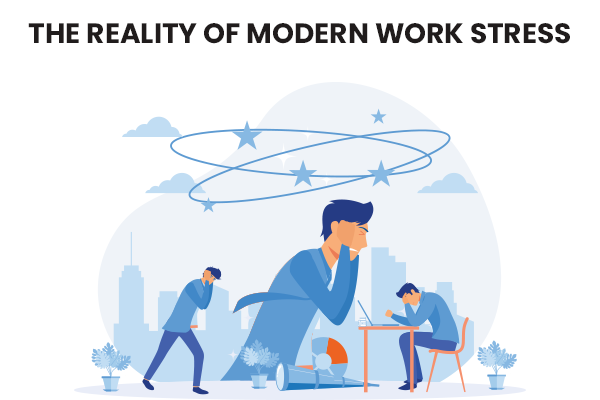
The Reality of Modern Work Stress
Stress often stems from a feeling of loss of control. When demands exceed our capacity to deliver, anxiety sets in. This is compounded by the “always on” culture, where responsiveness is often mistaken for productivity.
To combat this, we must first accept that balance is not a static state. It is a constant negotiation between your professional responsibilities and your personal needs. It requires conscious effort and the right support systems.
Prioritize and Organize
The first step to reducing stress is regaining control over your schedule. You cannot do everything, and trying to do so is a recipe for burnout. You must learn to distinguish between what is urgent and what is important.
Here are some pointers to help you prioritize effectively:
- The Rule of Three: Start every morning by identifying the three most critical tasks you must complete. Focus on these before anything else.
- Time Blocking: Dedicate specific blocks of time to deep work where you do not check emails or messages.
- Batch Processing: Group similar tasks, like replying to emails or making phone calls, and do them all at once to save mental energy.
By organizing your day with intent, you prevent the feeling of being overwhelmed by a mountain of undefined tasks.
Bridge the Skill Gap
A significant, yet often overlooked, source of workplace stress is the feeling of being ill-equipped for a task. When we lack the necessary skills, tasks take longer and require more effort, leading to frustration and overtime.
This is where Learning & Development Solutions becomes a critical component of work-life balance. When an organization provides its employees with the training they need, they empower them to work more efficiently. An employee who is confident in their skills can finish their work faster and with fewer errors, leaving them with more free time and less anxiety.
Establish Digital Boundaries
Technology allows us to work from anywhere, but it also allows work to follow us everywhere. To protect your peace, you must set strict boundaries with your devices.
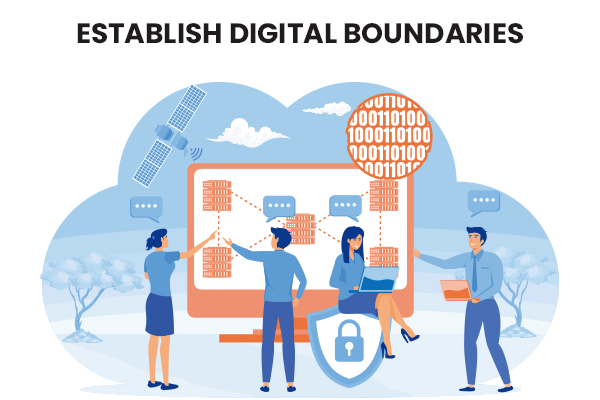
Consider implementing these digital rules:
- Notification Free Zones: Turn off work notifications on your phone after a certain hour.
- The Dinner Rule: Keep phones away from the dinner table to ensure quality time with family.
- Weekend Unplugging: designate at least one day or half day on the weekend where you do not check work communications at all.
For employers, respecting these boundaries is vital. Using a system like Timelabs helps managers track attendance and ensure that employees are not consistently logging in during off hours. If the data shows overworking, it is a signal for management to step in and adjust workloads.
The Role of Automation
Manual administrative work is a major time drain. Spending hours on data entry, attendance tracking, or leave management is a poor use of human intelligence.
Automating these processes can save hours every week. Timelabs offers comprehensive software that handles the mundane aspects of workforce management. By automating payroll and attendance, Timelabs frees up time for both HR teams and employees, allowing them to focus on strategic work or simply finish their day on time.
Upskilling to Reduce Anxiety
Fear of the future is a silent stressor. In a rapidly changing economy, many workers worry that their skills are becoming obsolete. This underlying anxiety drives them to overwork in an attempt to prove their value.
Access to robust L&D solutions can alleviate this fear. Knowing that there is a structured path for learning and growth gives employees a sense of security. They can focus on their current role without the distraction of existential career worry.
Create a Dedicated Workspace
For remote workers, the lack of physical separation between work and home is a major challenge. If you work from your sofa, your brain stops associating that space with relaxation.
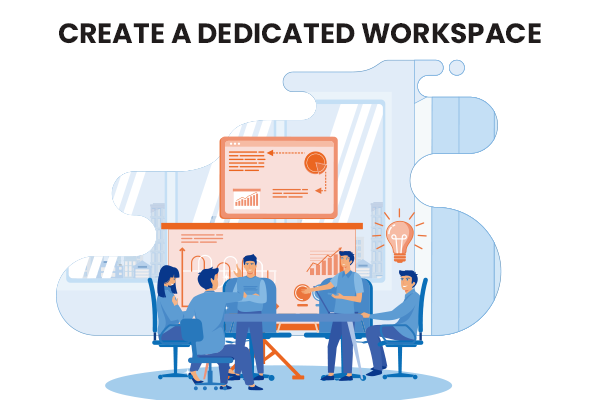
To maintain a healthy boundary:
- Designate a Spot: Even if it is just a corner of a table, use it only for work.
- Dress for Work: Changing your clothes helps signal to your brain that the workday has started.
- The Commute Ritual: Go for a short walk before and after work to simulate a commute and create a mental buffer.
Management’s Role in Balance
Employees cannot achieve balance if their managers are driving them to burnout. Leaders set the tone for the entire team. If a manager sends emails at midnight, the team feels pressured to reply.
Organizations need to invest in Learning & Development Solutions specifically for their leadership teams. Managers need to be trained on how to spot signs of burnout, how to delegate effectively, and how to measure output rather than hours. A well-trained manager understands that a rested team is a productive team.
Take Regular Breaks
It is counterintuitive, but taking breaks actually helps you get more done. The human brain can only maintain intense focus for about 90 minutes. After that, returns diminish.
Effective break strategies include:
- The 5 Minute Stretch: Stand up and move every hour to reset your posture and energy.
- Hydration Breaks: Walk to the kitchen to get water. It gives your eyes a rest from the screen.
- Lunch Away from Desk: Never eat at your desk. Step away to fully disconnect for 30 minutes.
Leverage Data for Fairness
Subjectivity can ruin work-life balance. If a manager assumes that the person leaving at 5 PM is slacking off, it creates a toxic culture of “presenteeism.”
Using data-driven software like Timelabs provides an objective view of performance. It tracks tasks and time accurately, ensuring that employees are judged on their actual output, not just on how long they sit in a chair. This transparency fosters trust and allows high performers to leave on time without guilt.
Cultivate a Culture of Learning
A stagnant environment is a stressful environment. When people feel they are not growing, they become frustrated and disengaged. Conversely, a culture that values growth is energizing.

Implementing modern L&D solutions keeps the workforce engaged and optimistic. When employees see that the company is investing in their future, they feel valued. This positive emotional state acts as a buffer against daily stressors.
The Importance of Sleep
Sleep is the foundation of mental health. When we are sleep deprived, our emotional regulation fails, and small problems seem insurmountable.
Prioritize sleep by creating a wind-down routine. Avoid screens for an hour before bed and keep your room cool and dark. If work thoughts keep you awake, write a to-do list for the next day to get the thoughts out of your head and onto paper.
Communication is Key
If you are drowning in work, you must speak up. Your manager cannot read your mind. Often, they are unaware of the full extent of your workload.
Schedule a time to discuss your capacity. Present the facts calmly and suggest potential solutions, such as delegating tasks or adjusting deadlines. Most reasonable managers will appreciate your honesty and your desire to maintain the quality of your work.
Conclusion
Achieving work-life balance is not a one-time fix. It is a continuous practice of self-awareness and boundary setting. It requires saying no to the non-essentials so you can say yes to your health and happiness.
For organizations, the responsibility lies in providing the right environment. By utilizing Timelabs to streamline operations and reduce administrative burdens, companies can give time back to their employees. Furthermore, by integrating effective L&D solutions, businesses can empower their workforce with the confidence and skills needed to navigate the modern work landscape with less stress and more success.
Start small today. Pick one tip from this list and implement it. Over time, these small changes will compound into a healthier, more balanced life.
Must Read: Why Workforce 4.0 Demands a New HR Tech Mindset in India
Frequently Asked Questions
Q1. How does Timelabs help reduce employee stress?
Ans: Timelabs automates tedious tasks like time tracking and payroll. This reduces administrative workload and ensures accurate, timely pay, removing two major sources of workplace anxiety.
Q2. Why is upskilling important for work-life balance?
Ans: When you use quality Learning & Development Solutions, you become more proficient at your job. This efficiency allows you to complete tasks faster, preventing work from spilling into your personal time.
Q3. What is the first step to fixing a bad work-life balance?
Ans: Start by setting clear boundaries. Decide on a fixed time to log off each day and stick to it. Communicate this boundary to your team so they know when you are unavailable.
Q4. Can L&D solutions really help with burnout?
Ans: Yes. L&D solutions provide employees with the software to handle challenges confidently. This reduces the feeling of helplessness that often leads to burnout and keeps the work experience engaging.
Q5. Is it professional to ignore work emails after hours?
Ans: Absolutely. Unless you are in an emergency services role, constant connectivity is unsustainable. Setting limits is a sign of professional maturity and efficient time management.