 admin
adminMigrating to a new Payroll Software system in the middle of the fiscal year often feels like a daunting task for HR teams and business owners. Many assume it will disrupt operations, create compliance risks, or demand excessive resources. However, modern solutions have transformed this process into a streamlined, low-risk transition. With the right planning and tools, mid-year switches can deliver immediate benefits without the chaos traditionally associated with them. This article explores why the old fears no longer hold true and how platforms like Timelabs make HR Payroll Software adoption seamless even halfway through the year.
Understanding the Mid-Year Migration Myth
The primary myth surrounding mid-year Payroll Software migration stems from outdated experiences with legacy systems. In the past, switching platforms required manual data re-entry, extensive downtime, and reconciliation of partial-year records. These challenges led to the belief that only year-end transitions were feasible.
Today, cloud-based HR Payroll Software eliminates many of these barriers. Automated data mapping, real-time synchronization, and built-in compliance checks allow organizations to import historical data accurately while continuing current payroll cycles. The result? Minimal interruption and faster ROI compared to waiting for the next fiscal close.
- Legacy vs. Modern Systems: Older on-premise solutions needed full system shutdowns; current tools support parallel running.
- Data Integrity Concerns: Advanced algorithms now validate and reconcile mid-year entries automatically.
- Compliance Fears: Updated regulations are embedded in the software, reducing audit risks during transition.
Key Advantages of Mid-Year Transitions
Choosing to migrate Payroll Software mid-year offers strategic benefits that outweigh perceived difficulties. Organizations gain access to improved features immediately, addressing pain points like error-prone calculations or inefficient reporting without delaying until year-end.
Immediate Cost Savings
Switching to efficient HR Payroll Software mid-year stops ongoing inefficiencies in their tracks. Manual processes or outdated tools often lead to overpayments, under-deductions, or compliance penalties that accumulate monthly.
- Reduce error-related financial losses starting from the next payroll run.
- Eliminate redundant subscriptions to multiple disjointed tools.
- Optimize tax calculations for the remaining half of the year.
Enhanced Compliance and Accuracy
Mid-year adoption ensures the second half of the fiscal period benefits from superior accuracy. Modern Payroll Software integrates real-time legislative updates, preventing costly mistakes in tax filings or statutory deductions.
- Automatic updates for changing labor laws.
- Built-in audit trails for partial-year reporting.
- Seamless handling of pro-rated benefits and deductions.
Improved Employee Experience
Employees notice the difference quickly when HR Payroll Software streamlines payslip delivery and self-service options. Mid-year implementation means faster access to accurate information, boosting satisfaction during performance review seasons.
Step-by-Step Migration Process
Successful mid-year migration relies on a structured approach. Platforms like Timelabs provide guided workflows that simplify each phase, ensuring data flows correctly from old to new systems.
Phase 1: Assessment and Planning
Begin with a thorough review of current processes. Identify data elements needing transfer, such as year-to-date earnings, tax withholdings, and leave balances.
- Map existing fields to the new Payroll Software structure.
- Set clear timelines, typically 4-6 weeks for full implementation.
- Involve key stakeholders from finance, HR, and IT early.
Phase 2: Data Extraction and Validation
Export data from the legacy system in standardized formats. Use validation tools to check for inconsistencies before import.
- Cleanse duplicate or erroneous records.
- Verify year-to-date totals against official documents.
- Perform test imports in a sandbox environment.
Phase 3: Parallel Running and Testing
Run both systems simultaneously for one or two payroll cycles. This catches discrepancies without affecting live payments.
- Compare outputs side-by-side.
- Train staff on the new HR Payroll Software interface.
- Adjust configurations based on test results.
Phase 4: Go-Live and Optimization
Cut over to the new system after successful parallel runs. Monitor the first live cycle closely and gather feedback for fine-tuning.
Technical Considerations for Smooth Transition
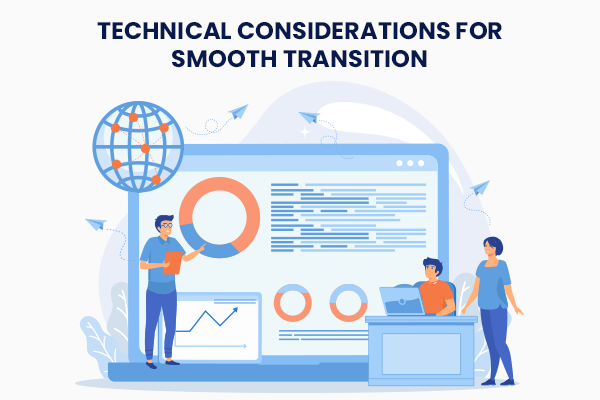
Modern Payroll Software handles complex scenarios that once made mid-year switches impossible. Understanding these capabilities removes remaining hesitations.
Handling Year-to-Date Data
Accurate transfer of cumulative figures is crucial. Advanced systems automatically calculate and import YTD values, maintaining continuity for tax reporting.
- Pro-rate calculations for mid-year benefit changes.
- Preserve historical payroll records for future audits.
- Generate reconciled reports showing pre- and post-migration data.
Integration with Existing Tools
Seamless connectivity prevents silos. Timelabs, for instance, offers APIs that link Core HR Software with accounting and time-tracking systems.
- Real-time data sync avoids manual entries.
- Support for common ERP and finance platforms.
- Custom integration options for unique workflows.
Security and Backup Protocols
Data security remains paramount during migration. Encrypted transfers and automated backups protect sensitive information.
- Role-based access controls during transition.
- Version history for rollback if needed.
- Compliance with global data protection standards.
Overcoming Common Challenges
Even with improved technology, specific hurdles may arise. Addressing them proactively ensures success.
Resource Allocation
Mid-year projects compete with ongoing operations. Dedicate a cross-functional team and leverage vendor support to minimize internal burden.
- Use project management tools for tracking progress.
- Schedule activities during low-volume periods.
- Outsource data cleansing if internal bandwidth is limited.
Change Management
Employee and manager buy-in accelerates adoption. Communicate benefits clearly and provide targeted training.
- Highlight time savings and accuracy improvements.
- Offer quick-reference guides for common tasks.
- Establish a support hotline for the initial weeks.
Budget Considerations
While there’s an upfront cost, mid-year migration often proves more economical long-term. Calculate savings from reduced errors and efficiency gains.
Why Modern Platforms Simplify Everything
The evolution of HR Payroll Software has democratized mid-year migrations. Features once reserved for enterprise-level solutions are now standard.
- Cloud deployment eliminates hardware dependencies.
- Intuitive interfaces reduce training time.
- Scalable pricing models fit various organization sizes.
Platforms emphasizing user experience, like those in the Core HR Software category, further streamline processes by centralizing employee data management alongside payroll functions.
Measuring Post-Migration Success
Track key metrics to quantify improvements after going live with new Payroll Software.
- Reduction in processing time per cycle.
- Decrease in payroll discrepancies.
- Employee satisfaction scores related to payslips and queries.
Regular reviews ensure the system continues meeting evolving needs.
Long-Term Benefits Beyond the Switch
Mid-year adoption positions organizations for future agility. When the next legislative change or business expansion occurs, the foundation is already in place.
- Easier implementation of new modules.
- Better data for strategic decision-making.
- Competitive advantage in talent retention through superior HR tools.
Must Read: Upgrade Your Workforce: The Ultimate HRMS & Employee Onboarding Solution
Conclusion
The myth of mid-year Payroll Software migration complexity persists due to historical precedents, but current realities tell a different story. With proper planning, robust technology, and expert guidance, organizations achieve smooth transitions that deliver immediate value. Solutions like Timelabs exemplify how HR Payroll Software and Core HR Software integration can transform payroll from a necessary burden into a strategic asset. Don’t wait for year-end, embrace the opportunity to optimize operations now.
FAQs
Q1. Is mid-year Payroll Software migration risky for tax compliance?
Ans: No, modern systems include automated compliance checks and accurate year-to-date data handling, minimizing risks when following proper validation procedures.
Q2. How long does a typical mid-year HR Payroll Software switch take?
Ans: Most organizations complete the process in 4-8 weeks, depending on data complexity and team readiness, with parallel running ensuring no payroll disruptions.
Q3. Can we migrate Core HR Software data along with payroll information?
Ans: Yes, integrated platforms support simultaneous transfer of employee records, benefits data, and payroll history for a unified system.
Q4. What if discrepancies appear during parallel running?
Use built-in reconciliation tools to identify and correct issues before go-live, with vendor support available for complex cases.
Q5. Does mid-year migration require IT department involvement?
Ans: Minimal IT involvement is needed for cloud-based solutions, mainly for initial API configurations and user access setup.